Kwesi Pratt Jr. Discusses Reparations Legal Architecture
Kwesi Pratt Jnr. has a straightforward answer for anyone expecting him to champion a check as the solution to centuries of human trafficking: the money itself would be an insult. The Ghanaian journalist and activist, known widely as “Comrade Kwesi Pratt,” laid out that position at the University of Cape Coast’s Faculty of Law this month, drawing a crowd well beyond the students enrolled in International Law and International Human Rights Law. Dr. Ernest Ako, head of the law department, convened the lecture, which drew on Pratt’s recent book on history, struggle, politics and law to argue that reparations must mean a structural reset of global power, not a payout.
Weeks earlier, on March 25, 2026, the UN General Assembly declared the transatlantic slave trade a crime against humanity. That resolution now sits as a diplomatic and moral frame, in Pratt’s view, though he is quick to acknowledge what it cannot do alone.
Related: Supreme Court Weighs DHS Deportation Rules
The General Assembly vote cannot bring justice by itself. It will not restructure the World Bank, the IMF, or the WTO. What it does provide is a rallying point. Activists across Africa and the diaspora can use that frame to mobilize mass support, he said, calling for pressure on the levers of power around the globe. His prescription includes seeking advisory opinions from the African Court on Human and Peoples’ Rights and the International Court of Justice, and persuading lawyers’ unions in Africa and the Caribbean to research legal options.
Precedents exist. The Nuremberg trials and compensation paid to victims of genocide in Namibia offer some framework. But Pratt frames these as tools, not destinations. “The most important considerations are that an injustice was meted out to the African people,” he said. “Our resources were stolen, our labor was stolen, our dignity was affronted and our very essence was devalued.”
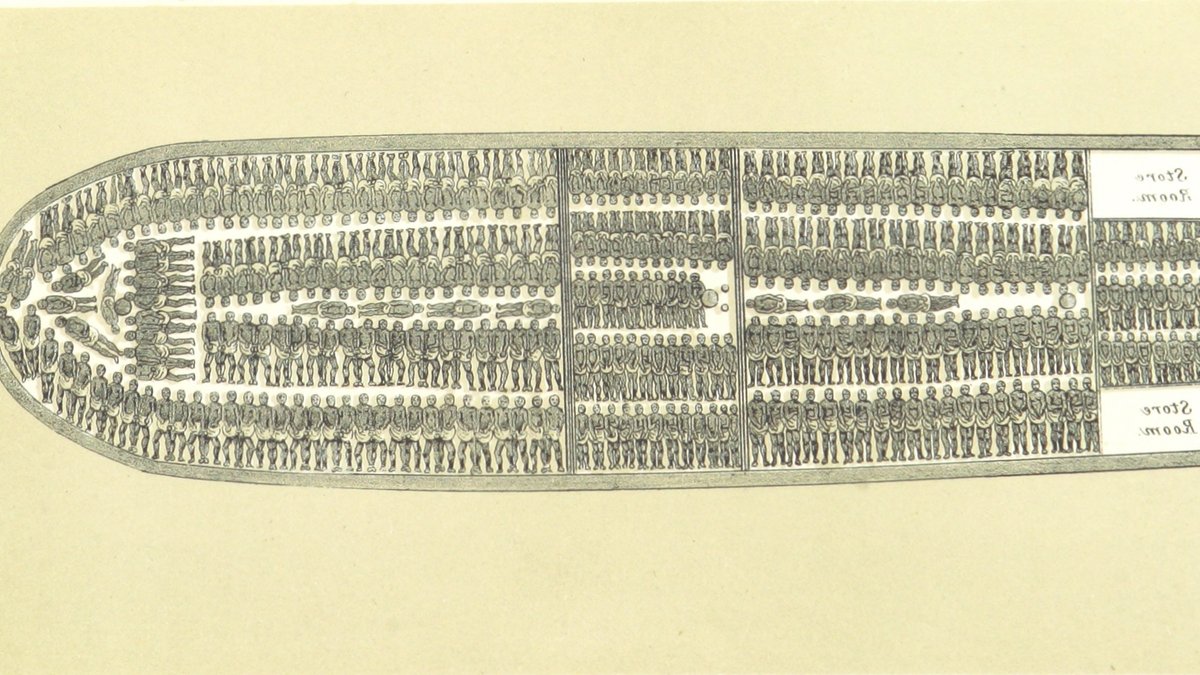
He pointed to the Papal Bull issued to the King of Portugal in 1452 as the legal and religious basis for the trade, and noted that before abolition, no laws existed against it. The “Doctrine of Discovery” need critical re-examination, he argued, particularly how it shaped property and sovereignty laws in the United States.
Related: Nations urged to regulate AI weapons
A recurring critique in reparations debates targets African rulers who participated in the slave trade. Pratt does not deny that some Africans served as agents of enslavers, carrying luggage across forests or fighting as soldiers in invading forces. But he flips the framing. Those Africans were themselves victims of the slave traders. The proceeds of that criminal trade cannot be found in Africa today. They sit in the financial, religious, academic and cultural institutions of the West.
Reparations discussions often center on what nations should pay, but Pratt’s argument reframes the question around where the wealth ultimately flowed and who controls the institutions that still benefit from it today. That distinction matters for how legal claims might be constructed and which bodies of law could apply.
Related: Forced Labor Persists on DR Plantations, Watchdog Finds
For Pratt, the work ahead involves canceling odious debts, returning stolen artifacts, and paying for stolen labor. Educational curricula need to reflect African needs and aspirations. History must be told from African perspectives. The world must be reset to restore the dignity of African spirituality and cultural values. Institutions need rebuilding.
Political will exists in abundance, he argued. The question is how to sustain pressure on major powers that have historically resisted reparations. The answer, repeatedly, comes back to mobilization and struggle in confrontation with injustice. The movement demands justice and demands equality.


