Forced Labor Persists on DR Plantations, Watchdog Finds
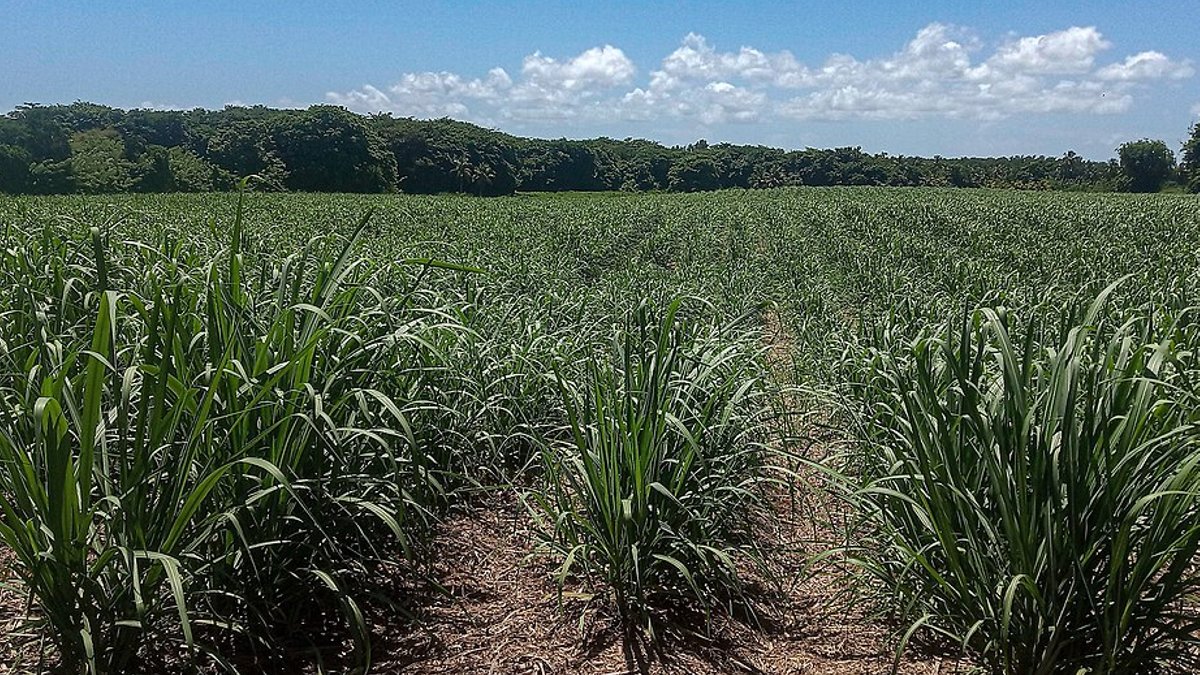
A human rights watchdog has found that forced labor continues to persist on sugarcane plantations in the Dominican Republic, according to a report released Tuesday by Corporate Accountability Lab (CAL). The group called on the United States to reimpose an import ban on sugar products from the country in response to these findings. [1] Lawyer to Marwan Barghouti Tells His Story
Conditions described as abusive
The report documents a range of labor abuses affecting workers, including the payment of incorrect and low wages. Workers also reported a lack of potable water during work hours, as well as inadequate sanitation and electricity. Reports of violent treatment by private security forces were also noted by investigators.
The majority of sugarcane field workers are Haitian or of Haitian descent, either permanently settled in the DR or recent migrants. CAL’s report notes significant barriers and immigration policies that prevent Haitians from obtaining documents and building a secure life in the country. This lack of documentation leaves them particularly vulnerable to labor exploitation.
One worker described this challenging cycle to CAL, stating: “Of course I want to leave… but I don’t have the documents that would allow me to do what I want to do.” Another worker described the culture of fear and uncertainty, saying, “I want to complain every week but since everyone is so scared, nobody will support you,” according to the document.
Corporate ties and political connections
The company at the center of the investigation is Central Romana, the largest landowner and employer in the Dominican Republic. The firm is incorporated in Florida and also owns ASR Group, the world’s largest refiner of cane sugar. Both entities are owned by the Fanjul family, who have known ties to US President Donald Trump’s administration.
Related: 7th Circuit says texts exempt from TCPA ban
The Fanjul family hosted a fundraiser that grossed approximately $50 million for Trump’s campaign and made millions in donations to the Make America Great Again Political Action Committee. These political connections have drawn scrutiny regarding the family’s business interests.
In 2022, President Joe Biden’s administration imposed an import ban based on a “reasonable indication” of forced labor. This action included five of the International Labour Organization’s indicators of forced labor, such as exploitation of vulnerability, withholding of wages, and abusive working and living conditions.
CAL argues that the ban should be reinstated because conditions have not improved. The organization notes that Central Romana responded to the allegations by denying all findings in a statement to the group. The company expressed shock that CAL would be willing to publish a report that was “riddled with inaccuracies and untruths,” according to the response.
Advocates, including CAL, indicated that there was no significant change in working and living conditions to warrant lifting the ban. Central Romana was offered the opportunity to respond to the allegations in the report but denied them all. The group has lobbied the US government to have the ban removed, a move that was quietly lifted by Trump in 2025, raising allegations of financial influence on the decision.
The mistreatment of Haitians in the DR has been long-documented by other rights groups, including Amnesty International. These abuses include mass deportations and racial profiling.
Related Stories
 Civil Rights Docket
Property Professionals Back Government Home-Buying Reforms
 Civil Rights Docket
Mexico dismantles AI-powered extortion network targeting officials
 Civil Rights Docket
Court orders insurer to provide Burosumab to child
 Civil Rights Docket