Nations urged to regulate AI weapons
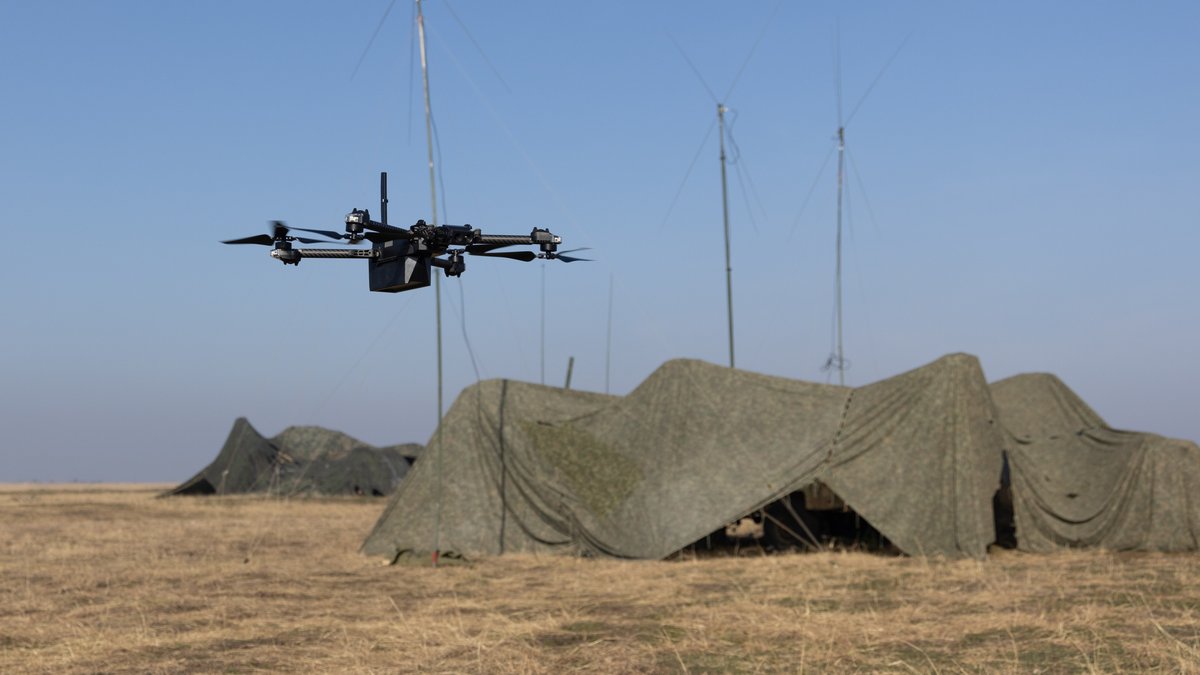
Autonomous weapons powered by artificial intelligence have moved from science fiction to active battlefields. The United Nations and the International Committee of the Red Cross now demand a legally binding global agreement to regulate their use.
UN Secretary-General António Guterres and ICRC president Mirjana Spoljaric warned that humanity stands close to crossing a moral boundary. Machines could soon make life-and-death decisions about human targets without direct human oversight. Their joint statement came as arms manufacturers and engineers developing these systems have also sought clearer legal boundaries.
Weapons that can’t predict their own actions
The proposed treaty would ban two categories of autonomous weapons. The first includes those whose effects cannot be predicted by operators. The second covers systems designed to target individual people. The ICRC has argued that anti-personnel autonomous weapons reduce human life to data and algorithms, removing moral and legal considerations from warfare.
International humanitarian law requires combatants to distinguish between civilians and combatants. It also mandates avoiding attacks that cause disproportionate harm to non-combatants. Autonomous systems may struggle to interpret complex battlefield scenarios, such as a wounded soldier attempting to surrender or civilians in an operational zone. The UN and ICRC have raised concerns that machines lack the judgment to make these distinctions reliably.
Regulation efforts intensify as multiple countries accelerate development of AI-driven weaponry. While no nation has publicly deployed fully autonomous lethal systems, prototypes and semi-autonomous drones have already appeared in conflicts. These raise questions about accountability when algorithms decide targets.
A treaty before the next review conference
The call for action arrives months before the seventh Review Conference of the Convention on Certain Conventional Weapons in Geneva this November. Previous attempts to establish binding rules on autonomous weapons have stalled. Some nations argue existing laws suffice, while others demand stricter prohibitions.
Related: Judge Dennis Davis Shaped Progressive South African Law
Guterres has called autonomous weapons morally unacceptable. The ICRC, which has long advocated for limits on weapons violating humanitarian principles, has joined the UN in urging member states to begin formal negotiations on a new treaty.
The organizations issued a similar warning in 2023. Rapid advancement of AI targeting technologies was outpacing diplomatic efforts to control them.
Translating warnings into enforceable rules remains difficult. Unlike chemical or biological weapons, which are banned under existing treaties, autonomous weapons don’t fit current legal frameworks. Their development overlaps with broader AI governance debates, as the same technologies used for civilian applications can be repurposed for military targeting.
For now, the debate continues between those who view autonomous weapons as an inevitable evolution of warfare and those who believe some technologies should never be deployed. The upcoming conference may reveal whether nations will draw a line or allow the race toward greater autonomy to proceed unchecked.
Without action, the risks will only grow.


