Supreme Court Weighs DHS Deportation Rules
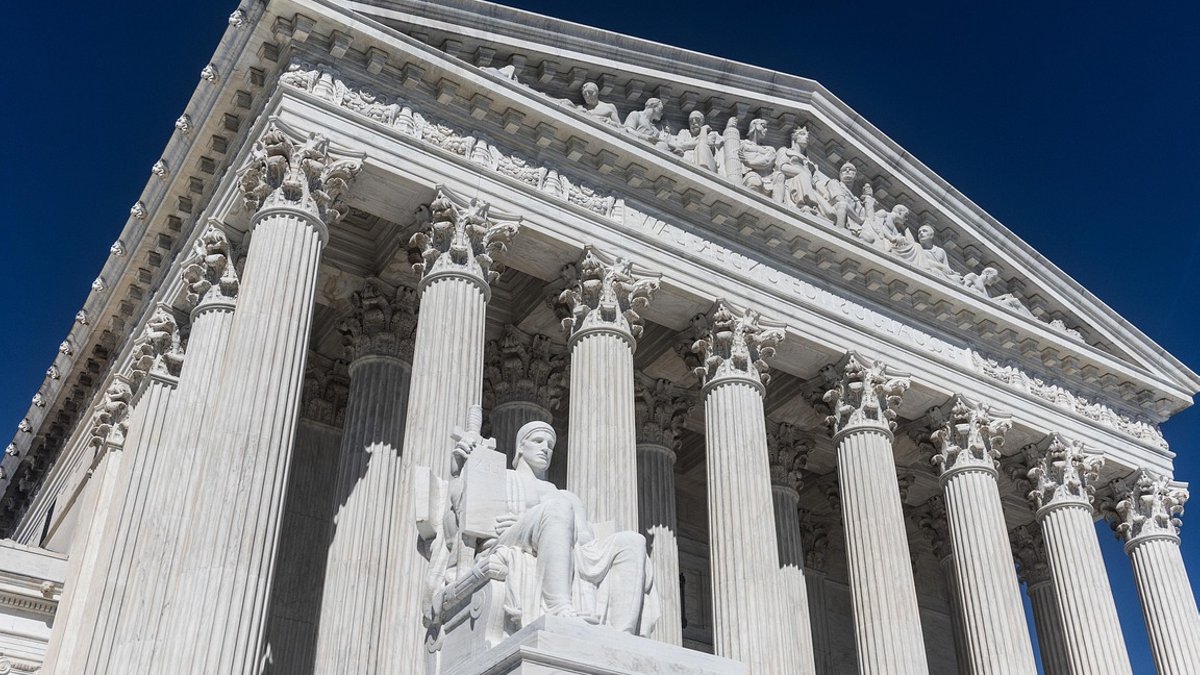
The Supreme Court agreed to hear a case, Blanche v. Lau, on April 22, 2026, that could reshape immigration procedures for green-card holders returning to the U.S. with pending criminal cases. The justices will consider this nearly four months after granting certiorari on January 9.
At issue is a procedural distinction with significant consequences. When a green-card holder returns, officials must decide whether to treat them as a returning resident or someone seeking admission. This choice affects the removal process: deportation under 8 U.S.C. § 1227 or inadmissibility charges under 8 U.S.C. § 1182.
Muk Choi Lau, a lawful permanent resident since 2007, faced trademark counterfeiting charges in 2012. While his case was pending, he returned to the U.S. through JFK Airport in 2013. Immigration officers paroled him for deferred inspection instead of admitting him as a returning resident. After Lau pleaded guilty, the government sought to remove him under inadmissibility provisions, arguing he had committed a crime involving moral turpitude.
Related: Ghanaian Courts Cancel Funerals Without Explanation
The Second Circuit blocked this effort, deciding that at the time of Lau’s reentry, the government only had criminal accusations, not clear and convincing evidence of a disqualifying offense. The court vacated the removal order and terminated the inadmissibility case, leaving the government to pursue deportation under § 1227 if it wished to proceed.
The Government’s Argument
Acting Attorney General Todd Blanche’s office contends Lau was properly removable as inadmissible because he had committed the offense before returning. The government argues that once paroled, Lau remained an arriving alien awaiting inspection, and subsequent removal proceedings could use the conviction record to establish both the offense and inadmissibility.
The government also raises a jurisdictional defense, arguing that federal courts should not review DHS’s discretionary parole decisions, which Congress intended to be largely unreviewable. The brief states that affirming the Second Circuit ruling would disrupt longstanding practice of paroling returning permanent residents with pending criminal matters.
Lau’s Response
Lau’s legal team counters that the statute prescribes a specific sequence the government failed to follow. They argue that officials must determine at the border whether an exception applies before invoking parole authority. Lau also contests the evidence standard, maintaining that the government had only an unresolved charge when he passed through JFK, which falls short of both statutory text and due process requirements. He argues that removal proceedings, if any, should proceed through deportation rather than inadmissibility.
Related: Iraq silent on $76 billion as no law demands answers
On the reviewability question, Lau relies on provisions allowing judicial examination of legal questions, framing the issue not as whether DHS made a sound discretionary call, but whether the agency satisfied the statutory prerequisites for exercising that discretion in the first place.
What the Court Will Likely Consider
Justices are expected to scrutinize the timing question closely: Does “shall not be regarded as seeking an admission” require a determination at the moment of reentry, as Lau contends, or can the government establish that status later in immigration proceedings with evidence developed afterward?
The legal status of parole itself presents another likely focus. The Court may need to decide whether an unlawful parole still counts as parole under the statute, especially given Lau’s argument that DHS cannot harvest parole’s legal benefits if it lacked authority to grant parole in the first place.
The practical realities of border enforcement will probably come up too. Government lawyers will emphasize that officers cannot carry full criminal databases into every inspection booth. Lau’s side will note that DHS already screens for criminal history at the border and that Congress intended returning permanent residents to receive a presumption against admission treatment.
Related: Illinois to Ban Certain Cosmetic Ingredients Starting July 2028
One underlying statutory interpretation issue may surface: whether “has committed” in 8 U.S.C. § 1101(a)(13)(C)(v) refers merely to the act of committing an offense or requires conviction or admission of guilt. The government favors the broader reading, while Lau argues the Court need not resolve this because DHS lacked sufficient evidence at reentry regardless.
Potential Consequences
A ruling favoring the government would give DHS more room to parole returning green-card holders and to develop inadmissibility cases later using evidence unavailable at the border, making prosecutions of removals easier. A win for Lau would impose stricter evidentiary requirements at the border, strengthening protections for returning permanent residents against admission treatment based solely on unresolved charges.
The case ultimately asks when the government must prove a permanent resident’s disqualifying conduct and through what procedural mechanism. This timing question carries real stakes for anyone with a criminal matter pending when they return from overseas.


