Microplastics found in everyday products raise alarms
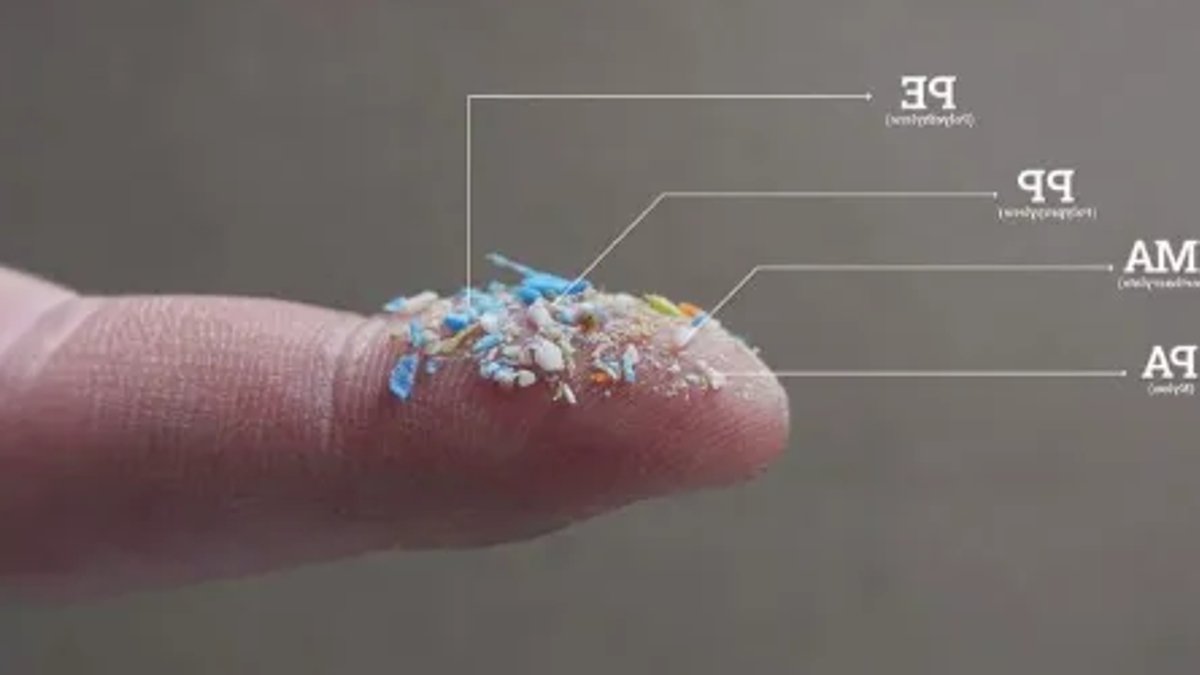
The Environmental Protection Agency has added microplastics to its regulatory agenda, a move that may increase compliance costs and litigation risks for consumer product companies. The agency’s draft Sixth Contaminant Candidate List, released in April 2026, initiates federal scrutiny of microplastics in drinking water. This approach resembles the EPA’s handling of PFAS, where responsibility for contamination has been traced across supply chains.
State regulators advance ahead of federal action
While federal rules remain in draft form, state-level enforcement has already begun. Attorneys general in multiple states have sent civil investigation demands, issued warning letters, and filed lawsuits against consumer brands and trade associations. Their focus includes not only intentionally added microplastics but also packaging, product shedding, and end-of-life claims.
Some states are advancing regulations on recyclability labeling and environmental marketing more quickly than the EPA. These efforts lack coordination, resulting in a complex set of rules. Retailers, importers, and brand owners could face liability even if they don’t manufacture the materials themselves.
The lack of uniformity means businesses cannot depend on a single federal standard for guidance. A product lawful in one state might face enforcement actions in another, especially if sustainability or recyclability claims aren’t supported by consistent testing.
Risk extends beyond intentional additives
State attorneys general have already challenged companies over misleading environmental claims. They argue that terms like “eco-friendly” or “sustainable” lack scientific backing. Even products labeled as “biodegradable” or “recyclable” may contribute to contamination if those claims aren’t thoroughly verified.
The EPA’s draft list doesn’t impose immediate requirements but serves as a warning. The agency has historically used such lists to prioritize contaminants for future regulation, and microplastics’ inclusion indicates a long-term focus. Companies delaying action may find themselves reacting to state-level enforcement instead.
Related: Colorado recycling law hit with new legal fight
Steps companies are taking to mitigate risk
Businesses in the consumer products sector are auditing their supply chains for microplastic exposure. Measures include reviewing product formulations, reassessing marketing claims, and verifying supplier certifications. Some are also evaluating their involvement in trade associations, which have become targets for litigation over plastic reduction efforts.
Testing protocols present another concern. Many companies lack standardized methods to measure microplastic shedding from products or packaging. Without reliable data, substantiating claims about safety or environmental impact becomes difficult, increasing legal vulnerability.
One issue is that microplastics aren’t a single substance but a category of particles differing in size, shape, and chemical composition. This complexity complicates regulation and compliance.
Transparency demands aren’t limited to regulators. Consumers and investors are also seeking details about microplastic content and environmental impact. Some brands have responded by phasing out certain additives or redesigning packaging, though these changes often require significant investment.
Smaller businesses may struggle with compliance costs. Testing a single product for microplastics can cost thousands of dollars, and reformulating a line might mean overhauling production processes. Regulatory pressure could favor larger corporations with resources to adapt, while smaller players face challenges.
The EPA’s draft list remains open for public comment until June 2026, allowing stakeholders to provide input before final decisions. However, with state-level action accelerating, the opportunity for proactive measures is shrinking. Companies preparing for invention disclosure meetings should also consider how emerging regulations might impact their product development and compliance strategies.


