Judge Dennis Davis Shaped Progressive South African Law
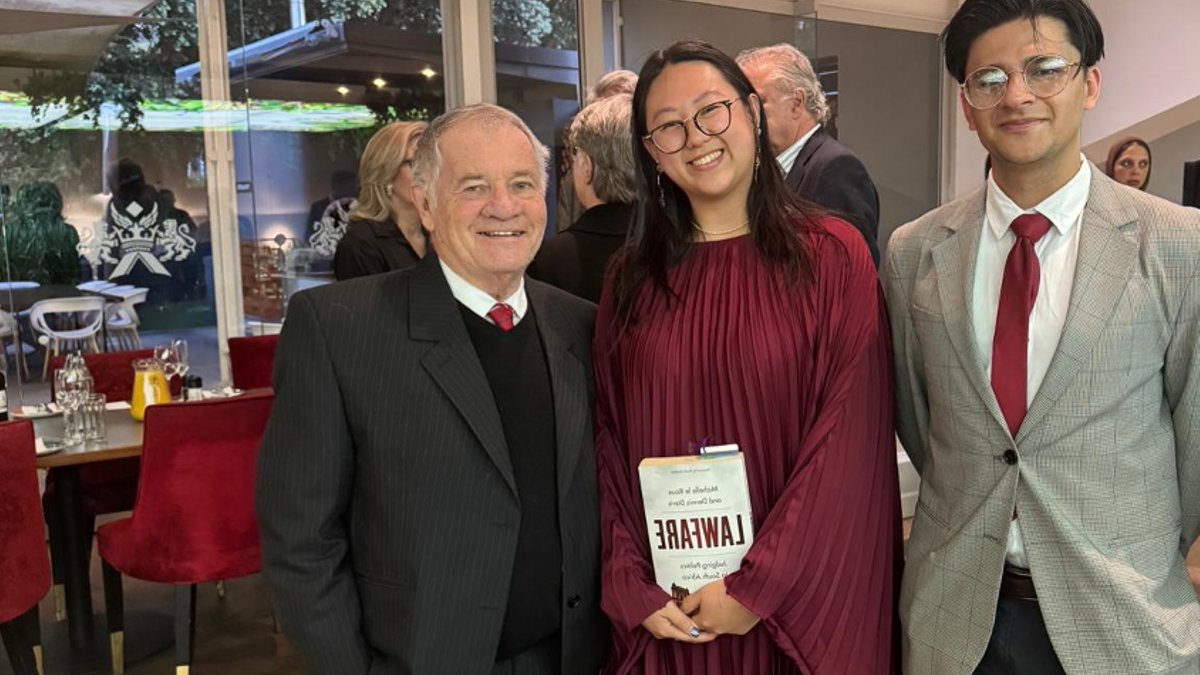
Judge Dennis Davis‘s career has left a distinct imprint on South African labour law, a fact highlighted at the recent Labour Law Colloquium in Stellenbosch. The three‑day gathering, which traditionally honors leading legal thinkers, featured a tribute to the retired judge alongside a ceremony for former Chief Justice Zondo.
Early life and academic involvement
Born in 1951 in Cape Town to a mechanic father and a legal‑secretary mother, Davis attended a Jewish school. He later described the schooling as shaping his worldview, noting it took years to see “the rubbish I had been taught” about Zionism. His early activism included participation in the anti‑apartheid movement.
He earned a law degree and entered academia, eventually directing the Centre for Applied Legal Studies at Wits University while holding a professorship at the University of Cape Town. During South Africa’s transition, he advised the Convention for a Democratic South Africa and the Multi‑Party Negotiating Forum, and contributed to the Katz Commission that established the national revenue service.
Related: Forced Labor Persists on DR Plantations, Watchdog Finds
Judicial decisions that reshaped labour rights
On the bench for roughly 21 years, Davis authored opinions that continue to be cited in law schools. In the Grootboom case, the Constitutional Court affirmed a High Court ruling he wrote, confirming that socioeconomic rights are justiciable. His judgment in the Prince case decriminalised personal marijuana use by invoking privacy rights.
Perhaps the most discussed of his rulings is the “Kylie case,” where a sex worker’s dismissal was deemed potentially unfair despite the industry’s illegal status. The decision held that labour protections can extend to workers in unlawful sectors, opening a dialogue on decriminalisation and the reach of constitutional values.
While the ruling stopped short of legalising sex work, it signalled a willingness to apply labour standards beyond traditional employment. The judgment has become a staple in South African labour‑law curricula and continues to influence debates on informal work protections.
Related: Lawyer to Marwan Barghouti Tells His Story
One could argue that Davis’s approach reflects a careful balance: respecting existing statutes while anticipating societal shifts. By grounding decisions in constitutional principles rather than solely in legislative text, he set a template that future judges might follow when confronting emerging labour challenges.
His reasoning often employed a value‑based interpretation, considering the lived realities of marginalized workers. This method, though cautious, nudged the legal system ahead of broader social reforms, suggesting that the courts can act as early responders to change.


