Washington’s Childhood Etiquette Guide Offers Timeless Legal Advice
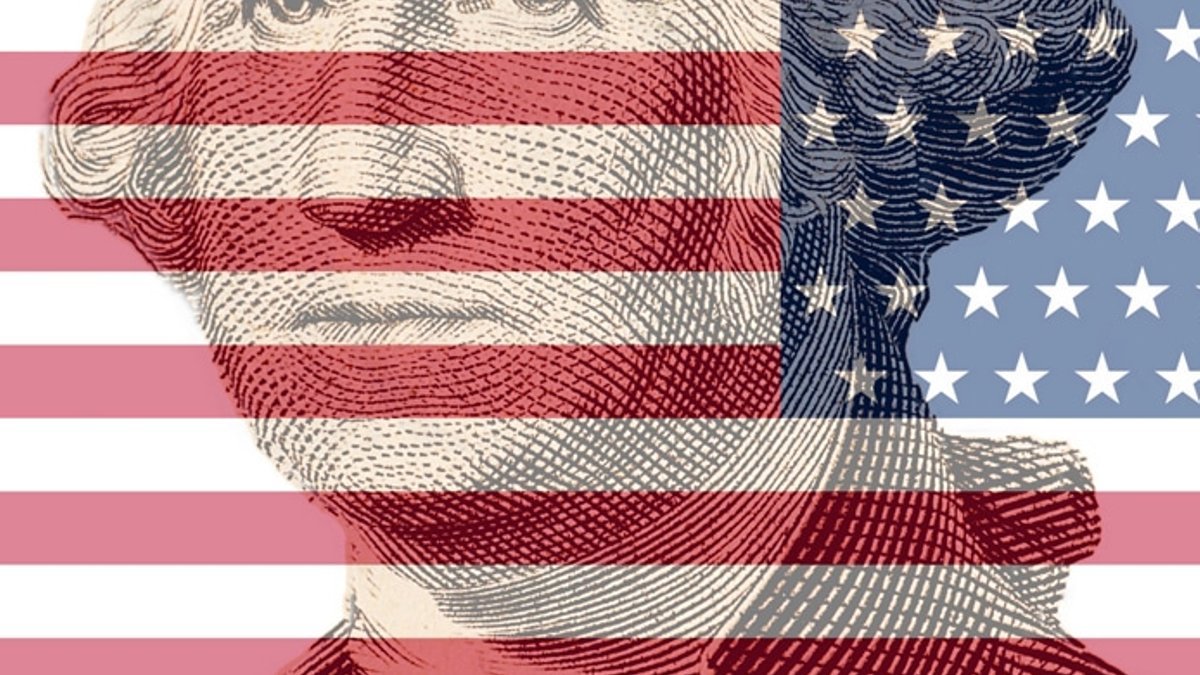
A copybook held at Mount Vernon offers a glimpse into George Washington‘s early life. As a boy, he transcribed The 110 Rules of Civility, a popular guide to etiquette at the time.
These rules, originally a Jesuit manual translated by Francis Hawkins, cover everything from table manners to social interactions. Scholars believe they shaped Washington’s character.
Washington’s Rules for Modern Lawyers
Many of these rules resonate surprisingly well with the challenges faced by lawyers today. Here are some key takeaways:
Rule 73d emphasizes the importance of clear communication: “THINK before you Speak. pronounce not imperfectly nor bring out your Words too hastily but orderly and Distinctly.”
Rule 74th highlights the importance of active listening: “WHEN Another Speaks be attentive your Self and disturb not the Audience [other listeners]. if any hesitate in his Words help him not nor Prompt him without [if not] desired, Interrupt him not, nor Answer him till his Speech be ended.”
Other rules address body language, respect, and professionalism, all key aspects of legal practice.
Beyond the Courtroom
While some rules are specific to 18th-century social norms, the underlying principles remain relevant. Rule 82d, for instance, stresses the importance of keeping promises, a timeless virtue in any profession.
These rules, though written centuries ago, offer a valuable reminder of the importance of civility and effective communication in the legal field. Lawyers, like Washington, must strive to conduct themselves with respect, clarity, and integrity in all their interactions.
Guidance for Associates and Supervisees
Washington’s rules also provide guidance on interactions with superiors and subordinates. Rule 84th advises: “WHEN your Superiours talk to any Body hearken not neither Speak nor Laugh.” Rule 46th states: “Take all Admonitions thankfully in what Time or Place Soever given, but afterwards not being culpable take a Time or Place Convenient to let him know it that gave them.”
Universal Underlying Principles
The foundational principles of Washington’s “Rules of Civility” emphasize respect, integrity, and conscience. Rule 1st declares: “EVERY Action done in Company, ought to be with Some Sign of Respect, to those that are Present.” Rule 110th encourages: “LABOUR to keep alive in your Breast that Little Spark of Celestial fire called Conscience.”
Related Stories
 Civil Rights Docket
Property Professionals Back Government Home-Buying Reforms
 Civil Rights Docket
Mexico dismantles AI-powered extortion network targeting officials
 Civil Rights Docket
Court orders insurer to provide Burosumab to child
 Civil Rights Docket