Queensland Tenants Fight Eviction Notices
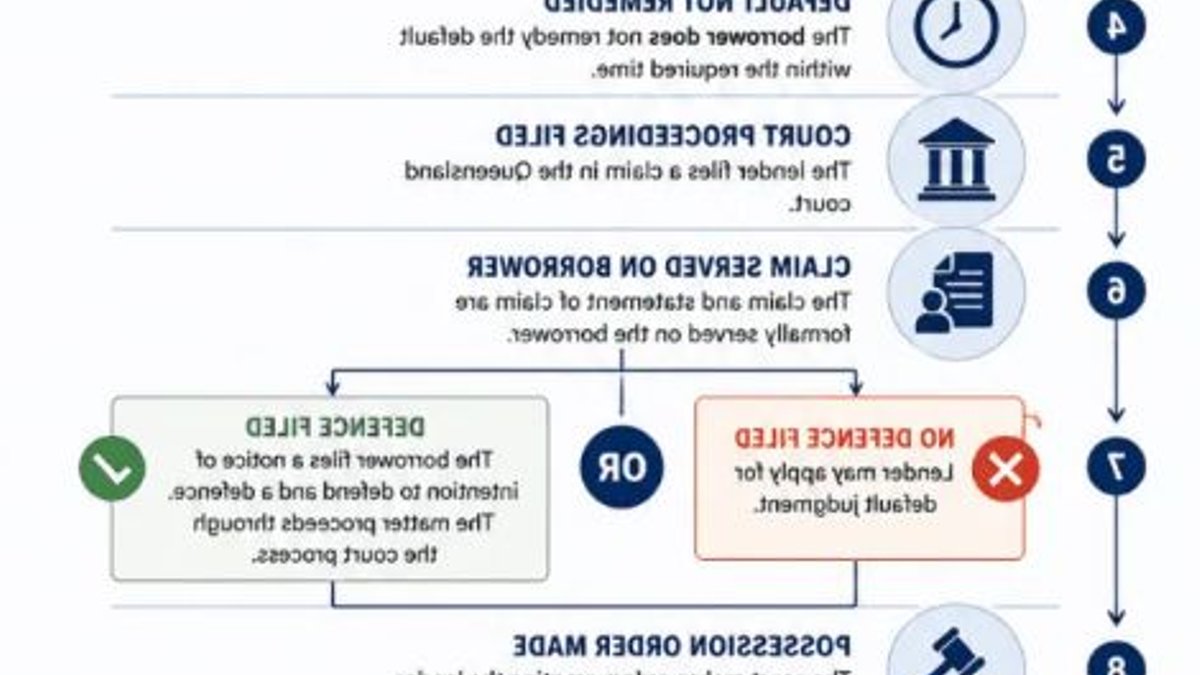
Borrowers facing a court action to regain control of their home must understand how to defend a possession claim in Queensland, where the process is governed by a mix of contract terms, the Uniform Civil Procedure Rules 1999 (Qld), the Property Law Act 2023 (Qld), and, for consumer loans, the National Consumer Credit Protection Act 2009 (Cth) and its National Credit Code.
Key steps and deadlines
When a lender files a possession claim, the borrower is served with originating documents. The court expects a Notice of Intention to Defend to be filed within 28 days of service. Missing this deadline often leads to a default judgment, after which the lender can obtain a warrant for possession, enforce eviction, or order a sale of the property.
Time limits matter.
Early legal advice is important. A solicitor can review the default notice for compliance, verify the debt amount, and ensure all procedural requirements are met. Even a small error in the notice—such as an incorrect address or an unclear remedy period—can provide a legitimate defence.
Related: Vesting After Separation: Impact on Property Pool
Common legal defences
Defences must be grounded in recognized legal grounds. Typical arguments include:
- Defective default notice that fails to meet statutory requirements under the National Credit Code.
- Incorrect calculation of the debt, perhaps due to mis‑applied interest or fees.
- Procedural irregularities, like improper service of documents or failure to follow the Uniform Civil Procedure Rules.
- Non‑compliance with statutory preconditions, for example, the lender did not satisfy the conditions set out in the recent property act.
- Claims of unconscionable conduct or breaches of the credit contract that render the enforcement action unfair.
If any of these issues are proven, the court may refuse to grant possession or may stay the order pending further investigation.
Courts typically enforce the lender’s rights where default is clearly established and no substantive defect exists. However, the burden of proof lies with the borrower to demonstrate that a genuine legal flaw or defence applies.
While the primary focus is on the possession claim, borrowers should also be aware that losing possession does not automatically extinguish the underlying debt. The mortgage may still be enforceable through a sale of the property, and any shortfall can be pursued against the borrower.
Related: Winston Taylor’s $2bn transatlantic merger goes live
Case law illustrates how courts assess these matters. In Boston Peak Pty Ltd v Houghton [1999] QSC 48, the Queensland Supreme Court highlighted the significance of ongoing default and the substantial sum owed, reinforcing that possession orders are appropriate where the mortgagor has failed to meet repayment obligations.
Beyond the courtroom, enforcement can involve a warrant for possession, which authorises law enforcement to remove occupants. If the property is sold, the proceeds first cover the mortgage debt, and any remaining shortfall may still be pursued.
In summary, defending a possession claim in Queensland requires a careful review of the default notice, verification of the debt, and strict adherence to procedural timelines. Legal representation can make the difference between retaining the home and facing eviction.


